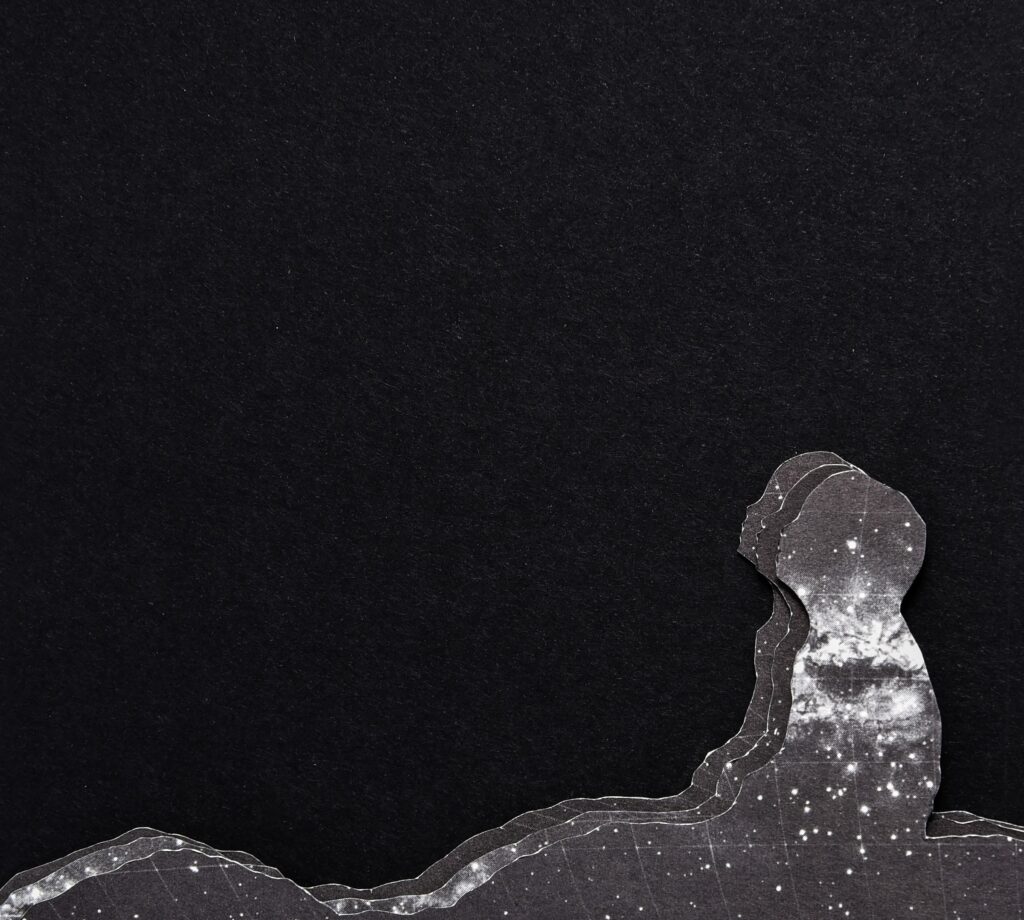
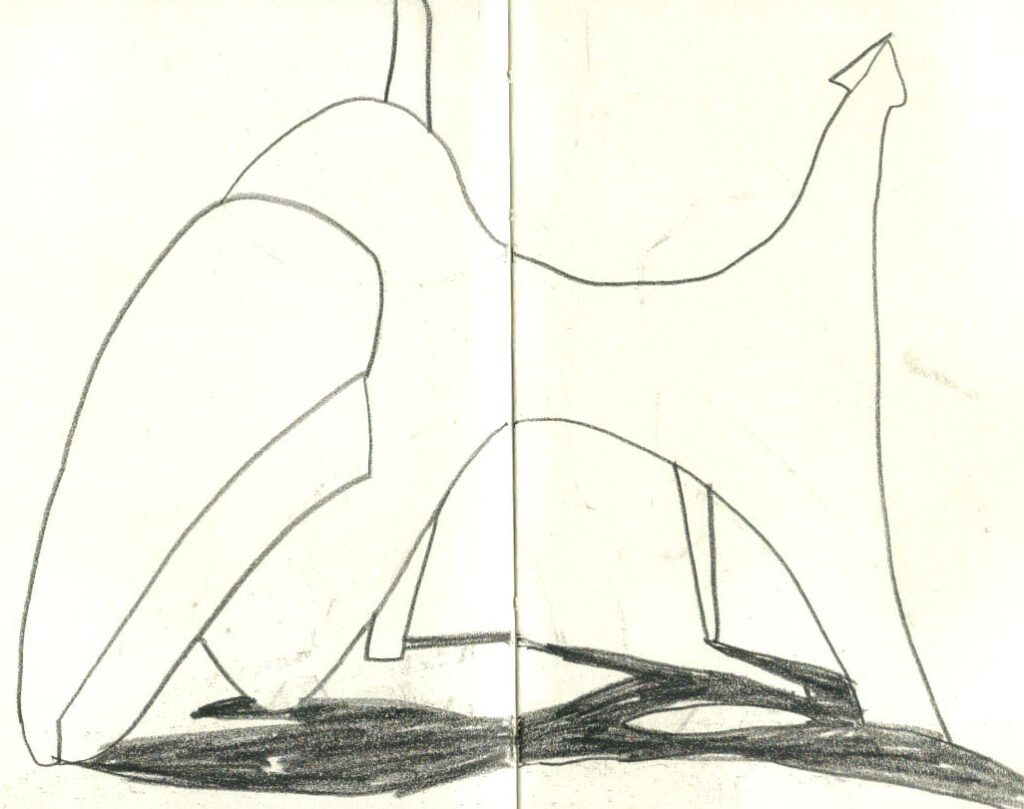
He was always a tender being. Or at least, that is how I’ve always seen him. Masked, he hides his tenderness. A boy-man. A treasured child. Things are broken for him, it seems. He is loved. That must help. But will he talk, will he unburden the burden he carries. Those sins of the forefathers. He is clean of it. I try to reach him. A little. He doesn’t want it. He closes off. I understand. I tread more carefully these days. Respecting another’s privacy and need to grieve. Is that it? Is is grief? Hold him. Please.
I’m a stealer of words. Or perhaps I should say an appropriator, a borrower of them. I read this word this morning. Sara Maitland used it after quoting someone else who used it. Urgencies. The urgencies of life that eat into a deep desire (that I always rediscover in myself after rereading and reading again Maitland’s book). I’ve spent the weekend attending to such urgencies. It is small stuff, irritating stuff that if left fills my head leaving no room for the soaring things. I am better for dealing with them. But there is yet more. Heigh ho. Onward.
It takes time. I wonder if most people feel the same. I’m stirred-up by travelling, adrift, lost almost. And coming home isn’t easy either. Putting everything back in place, and that smell about the place that I can never identify. I am just as lost (and irritable). The next day and then the next grow better. I clean the house. I wash the clothes. I cook. I walk. I try to refind myself in this space, this life. And then long to be away again.
I went seeking some sun. Just a little. And on my face. I went to the little park that was once a maze. The man who is always there, lying flat out on a bench sun-bathing, was there, as were two women, smoking and talking. I sat down on the bench just before theirs. I shut my eyes. I wanted to listen, not to them, necessarily but to all the sounds around me. I heard the metallic click of one of the women’s Zippo lighter. I smelt the acrid stink of cigarette. Somewhere, in one of the gardens along North Road, someone was trying to start up a petrol-fired lawn mower. I heard the chock of a tennis ball. A man was coming towards me down the path. He walked self-consciously with small, tentative steps. I heard the chirrup of small birds. Where they blue tits or sparrows? A heard the song of blackbird. I heard car engines, tyres on tarmac and gulls. No silence. But it was restful. And the sun, though filmy, did warm my skin.
I often re-read books. And this re-reading usually comes from a need to revisit the place to which they take me, be it an actual or a mental space. I’ve read Sara Maitland’s Book of Silence many times. I need it now, I find. I covet her contentment (though she questions that that is what she seeks, stating it as something more akin to the sublime), her silence, her solitude and time for contemplation. Will my time come? Will I allow it to be so? I hope so, sincerely.
It was the first time we’d gathered together, albeit virutally, since June (or was it July). I was nervous. I’d lost my fluency, if I’d ever had it. I was tongue-tied and hoping that we wouldn’t have to do another introduction round. We didn’t. I asked a few questions, or at least made some comments and felt such a fool doing so. I didn’t make myself clear and came across as woolly and incoherent. Sara Maitland writes about having a thin sense of self when she is among other people, and how she tends feel overwhelmed, or even subsumed by them. I know that feeling. My confidence is so brittle and I am too much in awe of what I see as others’ brilliance. I cried afterwards. I felt flayed by it all.
I overslept this morning. The alarm had woken me in the middle of a dream in which I was trying to remember how to make meringues. For some reason I’d offered to make toast for Keir Starmer. And he’d asked for something sweet to be put on top of the slice. Meringues? I’d suggested. Yes, he’d said. I woke realising that I wasn’t completely sure how to prepare them. Then I’d gone back to sleep and the dream had continued. We’d become lovers. At least, I had taken the unauthorised role of concubine. I serviced his stress and frustration. I helped him inside of me. It was quick and clean. Our relationship was warm, intimate and amiable. There was no mention of his family or his wife. His staff accepted me as part of his entourage. No questions were asked. I’d wake from our bed to see him working at his boxes. He’d enter me again. There was no passion on my side, no desire or want. But I didn’t seem to feel any rancour. At one point we were in a car being driven somewhere so that he could make a speech. It was a northern town. Outside the car there were cobbles on the street. He turned me around and clipped a necklace around my neck. I remember thinking it wasn’t something I would normally wear but I knew I would. It was something to do with Queen Elizabeth’s anniversary. It was silver, small and dainty. We held each other and I said that I didn’t want to hurt anyone. Back home. I was in the communal toilets, women were washing their hands in what looked like urinals. I need some milk, I said to one of them. Shall I get you some? she asked. No need, I said. Good, she said, for I wanted to go back to bed. There was a scum line of dirt around the sink-cum-urinal. She washed it away with her hand.
Yesterday there were like shiny tracks on her bedroom carpet. A slimy silver, a slivery trace. Slugs, I suppose. Her flat is decomposing, as she is. My skin itches when I’m there. A part of me is appalled by its unkemptness. Her smell still lingers but there is this sweetness too, and yet it isn’t sweet, not in the nice, golden-haired way. This is a tacky, sticky, unhealthy sacchrine smell – something man-machine, in-organic, not natural. What is it?
I thought about this alot yesterday, in an attempt to be at peace with that state, that state of not being happy. I want it to be OK. It should be. Why do I think I deserve endless happiness? After all, it isn’t the only way to be. Is it? I don’t really know what happiness is, anyway. Sara Maitland writes of a fierce joy at seeing a hen harrier. I know that feeling. I have felt the same on seeing foxes. Three no four times, I have seen them and the sight caught me up, delivered me to a space of thrill and beyondness. The trembling wildness of them that found mine. The wildness that we have so forgotten. I was blue yesterday, pushed down by the clouds that never lifted. I couldn’t raise myself up, produce, make, write or feel anything. All was grey. But it’s OK. That is living too. That just being existence. And I am all too aware that if I was hungry, cold, living in a war zone, lost, ill or dying, I would think only of being those things, of saving myself. And I am shamed. Always. So let the not happy be happy enough.
It can be the smallest thing, a tiny detail, like the seashell trapped in enamel on the window table in the guest house on South Marine. I’ve forgotten it’s name now, I used to know, I used to recite as I walked. It is a ubiquitious one. Something to do with wind or the sea or a view. Seeing that thing, a cheap thing, mostly to be found in seaside souvenir shops. Something that as a child I would’ve liked to hold in my hand, a treasure, a wonder. Anyway it reminded me of the various craft sets I’d ask for for Christmas. I had a candlemaking one, a macrame one, a weaving one and an enamelling one. I trapped all sorts of things. Feathers mostly and tiny shells. I thought them magical. I still do.
I thought about J., the Russia expert, and her son. I’d seen them making their way to the cafe yesterday morning. I remembered how she’d told me one Saturday morning at the BBC studio that she was going home to make waffles with her son. I’d pictured him as a shining boy, precocious, bright, talkative, small with blonde curly hair. Is that why it plays on mind? The fact that I made assumptions and got it so wrong? He is a savant. He is always smiling but he is not the blue-eyed little boy I’d imagined. He sits with his parents every Saturday while they read the papers and eat breakfast. He stares about the room, seemingly quite content, he eats, as they do, and once I saw him tracing his finger along a line of text in the paper. I imagine her sadness. Perhaps this is wrong. Perhaps there is joy in the other, in the different. We cannot know. I cannot know.